Tag: "Environment"

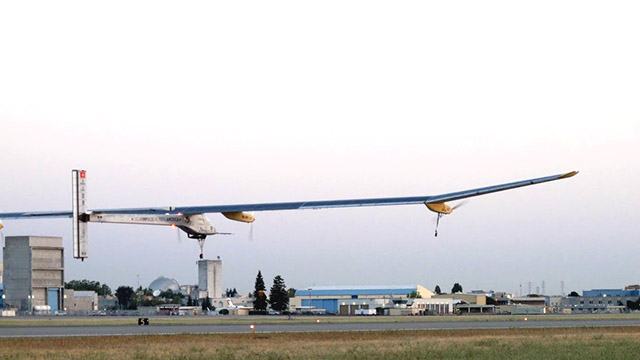
Solar plane takes off on historic cross-country trip

Solar plane takes off on historic cross-country trip

Lighter than an SUV and covered with more than 12,000 solar cells, Solar Impulse, the world's first solar plane that can fly day and night without recharging, launched from Moffet Field this morning in a cross country voyage.

 
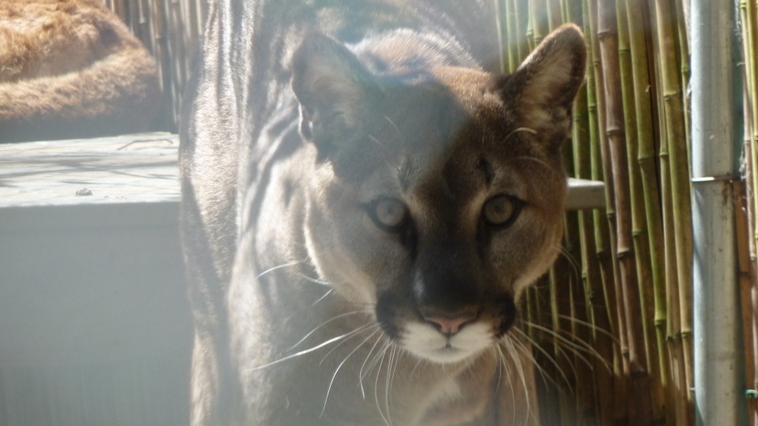
Top Cats: How Pumas and Other Apex Predators' Populations Affect The Big Biodiversity Picture

Top Cats: How Pumas and Other Apex Predators' Populations Affect The Big Biodiversity Picture

Apex predators exert far-reaching effects on ecosystems that surface just decades after their disappearance. Santa Cruz researchers hope to understand how human activities and development affect how pumas use the landscape to help mitigate conflicts and plan for the species' long-term survival.

 
Do Now #74: Earth Day

Do Now #74: Earth Day

Calling all students on this Earth Day: Do you make it a regular practice to care for the environment? If so, what do you do? If not, why?

 
Fire Safety without Harm

Fire Safety without Harm

Last week, scientists and regulators from more than 20 countries gathered in San Francisco to discuss the latest research on flame retardants. The conference lasted four days, but the theme of the meeting was clear from just a few talks: Do we need toxic chemicals to achieve fire safety?

 
Arsenic and Old Wells

Arsenic and Old Wells

Six years after the EPA's new arsenic rule for drinking water went into effect, poor communities in the San Joaquin Valley—who can’t afford the costs of complying with the stricter standard—face the highest risk of exposure to unsafe arsenic levels.

claimtoken-5144c0abd5ac8

 
Fear and Loathing in Wolf Country

Fear and Loathing in Wolf Country

After federal wildlife officials removed endangered species protections on wolves in the Rocky Mountains, hunters quickly killed them by the hundreds. If California's lone wolf leaves the state, he could meet a similar fate.

 
Playing Whack-a-Mole with Flame Retardants

Playing Whack-a-Mole with Flame Retardants

Countless consumer products sold in California contain a flame retardant flagged as a possible carcinogen nearly 35 years ago. As of this week, finally, they must carry a warning that the chemical causes cancer. But is it enough when manufacturers simply replace one toxic chemical with another?

 
Expanding Monterey Bay National Marine Sanctuary – Round Table Discussion on Google+

Expanding Monterey Bay National Marine Sanctuary – Round Table Discussion on Google+

KQED SCIENCE is hosting its first Google+ Hangout On Air round table discussion about the proposed expansion of the Monterey Bay National Marine Sanctuary from 1-2PM PDT.

 
Energy Geeks Converge at ACEEE's Boot Camp

Energy Geeks Converge at ACEEE's Boot Camp

Every two years the staff of the magazine I edit, Home Energy, is invited down to the Asilomar Conference Grounds in Pacific Grove, California, to publish a daily newsletter for the biennial ACEEE Summer Study of Energy Efficiency in Buildings.

 
Tracking Big Cats to Learn Their Secrets

Tracking Big Cats to Learn Their Secrets

Learning to see the landscape through the eyes of a wild carnivore helps Bay Area residents appreciate the essential ecological roles bobcats, mountain lions, and other predators play in ecosystems. New research shows that lion leftovers feed a surprising diversity of other species.

 
KQED Science Fan Spotlight: Dr. Gabriel Roybal

KQED Science Fan Spotlight: Dr. Gabriel Roybal

This week's KQED Science Fan Spotlight features Dr. Gabriel Roybal of San Francisco, CA.

 
Stem Cell Breakthrough, Underwater Labs: KQED Science News Round-Up

Stem Cell Breakthrough, Underwater Labs: KQED Science News Round-Up

Here's today's KQED Science round-up of science, nature and environment news from the Bay Area and beyond.

 
KQED Science Fan Spotlight

KQED Science Fan Spotlight

We'd like to share your stories about why you're passionate about science.

 
KQED Science News Round-Up

KQED Science News Round-Up

Here's today's KQED Science round-up of science, nature and environment news from the Bay Area and beyond.

 
Farmworkers Pay a Heavy Price for California's Bounty

Farmworkers Pay a Heavy Price for California's Bounty

California farmworkers work long days for about $7.50 an hour to pick fruit in orchards doused with nitrogen fertilizers. A UC Davis study released in March found that nitrates from fertilizers and dairy waste have contaminated groundwater supplies. Because farmworkers live near the fields they work in, they're at high risk for nitrate-contaminated drinking water.

 
Celebrate World Oceans Day Today

Celebrate World Oceans Day Today

Celebrate World Ocean Day today, a special day dedicated to the other 71% of our planet. Also, get a new view of our worldwide water resources with a volume model developed by the USGS.

 
The Man Who Made California Safe for Mountain Lions

The Man Who Made California Safe for Mountain Lions

More than 40 years ago, Sen. John Dunlap (D-Napa) made conservation history when his mountain lion hunting moratorium passed the California Legislature and became law in 1971. He recalls the fight to pass the bill and his guiding principle, "when in doubt, preserve."

 
Bay-Friendly Gardening: Welcoming Wildlife and Nature Into Human Habitats

Bay-Friendly Gardening: Welcoming Wildlife and Nature Into Human Habitats

A "Bay-Friendly" gardens initiative is underway around the Bay Area under the sponsorship of Stopwaste.org. Last weekend some generous, certified “Bay-Friendly” garden owners opened their yards for tours.

 
Salmon Runs, Grizzly Bear Dreams

Salmon Runs, Grizzly Bear Dreams

Using grizzly bears in the Pacific Northwest as a proxy for the benefits salmon deliver to ecological communities, a new study argues that letting more salmon migrate into coastal streams will lead to downstream improvements for the ecosystem and eventually the offshore salmon catch.

 
A Birder’s-Eye View of Conservation

A Birder’s-Eye View of Conservation

The Great Backyard Bird Count gives novice Bay Area wildlife watchers the chance to play field biologist in their own backyards and help scientists gather data on the incidence, abundance, and distribution of birds. Researchers will use sightings to identify trends that will help conserve these valuable indicators of biodiversity.